Top 10 Things Home Inspectors Look for in Rochester Hills: Comprehensive Home Inspection Services for Confident Decisions
By Basement to Roof Home Inspections, Basement To Roof Home Inspections
Home inspections are a crucial step in the home buying and selling process, providing essential insights into a property’s condition. In Rochester Hills, home inspectors play a vital role in ensuring that potential buyers and sellers are well-informed about the state of a home. This article will explore the top ten aspects that home inspectors focus on during their evaluations, helping homeowners and buyers understand what to expect. ByHighlighting these key areas, we aim to empower readers to make confident decisions regarding their real estate investments. The following sections will cover comprehensive inspection services, structural components, roofing systems, plumbing and electrical systems, HVAC evaluations, and safety concerns.
Overview of Comprehensive Inspection Services
Comprehensive home inspection services are designed to provide a thorough evaluation of a property’s condition, ensuring that buyers and sellers are aware of any potential issues. Home inspectors in Rochester Hills focus on various aspects, including structural integrity, safety systems, and environmental testing. These inspections are essential for identifying problems that may not be visible during a casual walkthrough, allowing for informed decision-making.
Basement To Roof Home Inspections specializes in residential inspection services, offering detailed visual assessments of a home’s condition. Their expertise helps buyers, sellers, and homeowners understand the importance of professional home inspections, ensuring that all critical areas are evaluated. By providing clear communication and thorough reporting, they guide clients through the inspection process, making it easier to schedule inspections and request information.
What Are the Key Structural Components Home Inspectors Evaluate in Rochester Hills Homes?
Home inspectors focus on several key structural components during their evaluations, ensuring that the foundation and overall integrity of the home are sound. These components include:
- Foundation: Inspectors assess the foundation for signs of settling, cracking, or moisture intrusion, which can indicate serious structural issues.
- Framing: The framing of the home is examined for any signs of damage or deterioration, which can affect the overall stability of the structure.
- Roofing: Inspectors evaluate the roofing materials and structure for wear, damage, or leaks that could lead to further issues.
Understanding these critical components helps homeowners and buyers recognize the importance of a thorough inspection.
How Do Inspectors Assess Foundation Integrity and Common Local Issues?
Inspectors assess foundation integrity by looking for visible signs of distress, such as cracks, uneven floors, and water damage. In Rochester Hills, common local issues include soil erosion and shifting due to seasonal changes. Inspectors utilize various techniques, including visual inspections and moisture meters, to evaluate the foundation’s condition. Addressing these issues early can prevent costly repairs down the line.
What Structural Elements Beyond the Foundation Are Critical to Inspect?
Beyond the foundation, several structural elements are critical to inspect. These include:
- Roofing Systems: Inspectors check for the condition of roofing materials, ensuring they are intact and free from leaks.
- HVAC Components: The heating, ventilation, and air conditioning systems are evaluated for functionality and safety.
- Safety Concerns: Inspectors look for potential safety hazards, such as exposed wiring or inadequate fire safety measures.
These elements are essential for maintaining a safe and functional home.
Which Roofing System Aspects Are Thoroughly Checked During a Roof Inspection in Michigan?
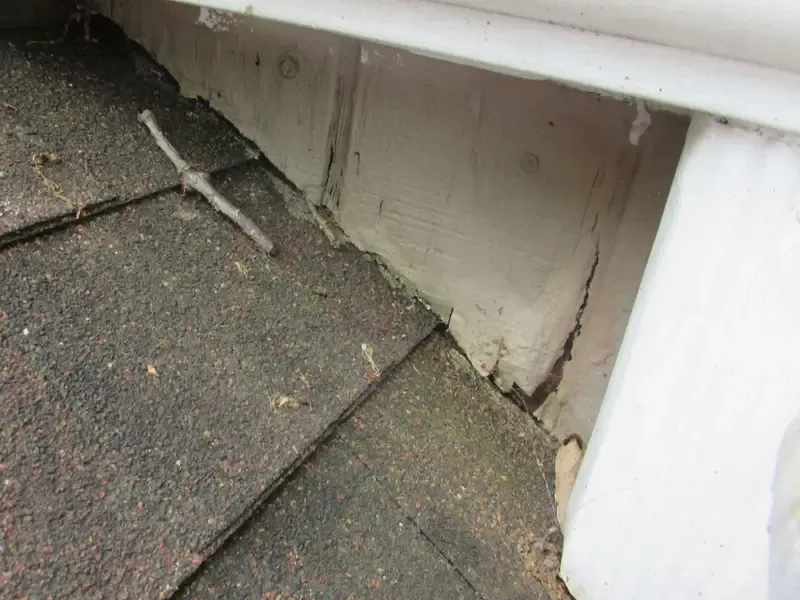
Roof inspections are a vital part of the home evaluation process, particularly in Michigan, where weather conditions can significantly impact roofing systems. Inspectors focus on several key aspects during a roof inspection:
- Condition of Roofing Materials: Inspectors assess the age and condition of shingles, tiles, or other roofing materials to determine their remaining lifespan.
- Structural Components of the Roof: The underlying structure, including rafters and trusses, is examined for signs of damage or deterioration.
- Signs of Leaks and Damage: Inspectors look for water stains, mold, or other indicators of leaks that could lead to further issues.
What Does a Roof Inspection Checklist Include for Rochester Hills Homes?
A roof inspection checklist for Rochester Hills homes typically includes the following items:
- Shingle Condition: Inspect for curling, missing, or damaged shingles.
- Flashing Integrity: Check the flashing around chimneys and vents for signs of wear.
- Gutter Functionality: Ensure gutters are clear and functioning properly to prevent water damage.
This checklist helps ensure that all critical aspects of the roof are evaluated during the inspection.
How Does Michigan’s Climate Impact Roof Condition and Inspection Focus?
Michigan’s climate significantly impacts roof condition, particularly due to harsh winters and heavy snowfall. Inspectors focus on the effects of snow and ice accumulation, which can lead to ice dams and leaks. Additionally, moisture accumulation during the spring thaw can exacerbate existing issues. Proper ventilation is also crucial to prevent mold growth and maintain the roof’s integrity.
What Plumbing System Features Do Home Inspectors Examine in Rochester Hills?
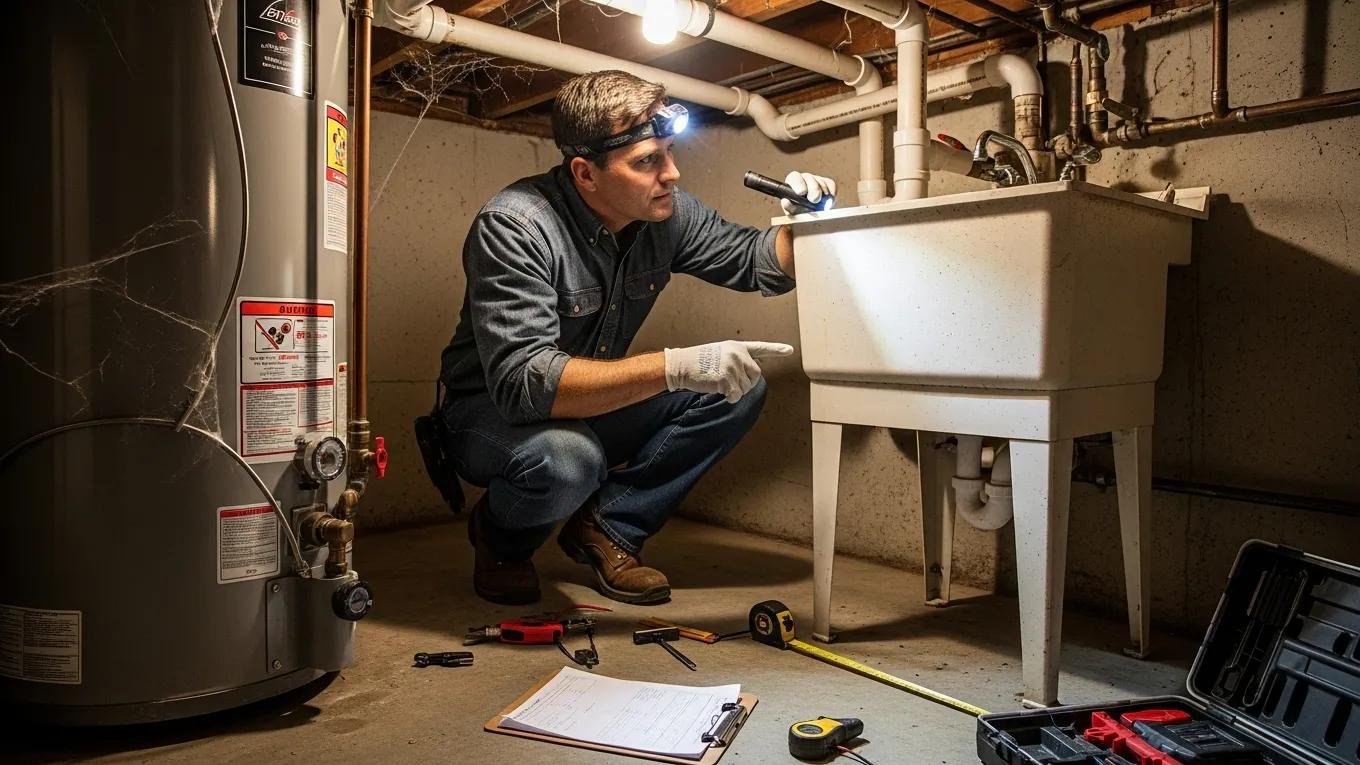
Plumbing inspections are essential for identifying potential issues that could lead to costly repairs. Home inspectors evaluate several key features of plumbing systems, including:
- Pipe Condition: Inspectors check for signs of corrosion, leaks, or blockages in pipes.
- Water Pressure: The water pressure is tested to ensure it meets acceptable levels for functionality.
- Drainage Systems: Inspectors evaluate the drainage systems for proper function and signs of backups.
These evaluations help ensure that the plumbing system is safe and functional.
Which Items Are Included in a Plumbing Inspection Checklist for Michigan Homes?
A plumbing inspection checklist for Michigan homes typically includes:
- Pipe Material: Identify the type of pipes used and check for any signs of deterioration.
- Water Heater Condition: Inspect the water heater for leaks and proper functioning.
- Sump Pump Functionality: Ensure the sump pump is operational and free from debris.
This checklist ensures that all critical plumbing components are thoroughly evaluated.
How Are Common Plumbing Defects Identified and Reported?
Common plumbing defects are identified through visual inspections and testing. Inspectors look for signs of leaks, corrosion, and improper installations. Reporting methods include detailed written reports that outline any issues found, along with recommendations for repairs. This documentation is crucial for homeowners and buyers to understand the condition of the plumbing system.
How Is the Electrical System Inspected to Ensure Safety and Functionality?
Electrical system inspections are vital for ensuring the safety and functionality of a home. Inspectors focus on several key areas, including:
- Electrical Panel Checks: Inspectors evaluate the main electrical panel for proper labeling and signs of overheating.
- Wiring Safety Assessments: The condition of wiring is assessed to identify any frayed or exposed wires that could pose safety hazards.
- Common Electrical Hazards: Inspectors look for outdated systems or code violations that could lead to electrical fires.
These evaluations help ensure that the electrical system is safe for use.
What Are the Typical Electrical Inspection Points in Rochester Hills Homes?
Typical electrical inspection points in Rochester Hills homes include:
- Grounding Systems: Inspectors check for proper grounding to prevent electrical shock.
- Outlet Functionality: Test outlets for proper voltage and functionality.
- Smoke Detectors: Ensure smoke detectors are installed and functioning correctly.
These points are critical for maintaining a safe electrical system.
How Do Inspectors Identify Electrical Hazards and Code Compliance Issues?
Inspectors identify electrical hazards by conducting thorough visual inspections and testing. They look for signs of wear, outdated systems, and code compliance issues. Documentation of these findings is essential for homeowners to understand any necessary upgrades or repairs needed to ensure safety.
What HVAC System Components Are Evaluated During a Home Inspection?
HVAC system evaluations are crucial for ensuring comfort and efficiency in a home. Inspectors focus on several key components, including:
- Heating Systems: Inspectors assess the condition and functionality of furnaces and boilers.
- Ventilation: The ventilation system is evaluated for proper airflow and potential blockages.
- Air Conditioning Units: Inspectors check the condition of air conditioning units and their efficiency.
These evaluations help ensure that the HVAC system operates effectively.
How Do Inspectors Assess Heating, Ventilation, and Air Conditioning Systems?
Inspectors assess HVAC systems by conducting visual inspections and performance tests. They check for proper airflow, temperature differentials, and signs of wear. Regular maintenance recommendations are provided to ensure optimal performance and longevity of the systems.
Which Safety Concerns Do Home Inspectors Prioritize to Protect Homeowners?
Safety concerns are a top priority during home inspections, as they directly impact the well-being of occupants. Inspectors focus on several key areas, including:
- Smoke Detectors: Inspectors ensure that smoke detectors are installed and functioning correctly.
- Carbon Monoxide Alarms: The presence and functionality of carbon monoxide alarms are evaluated to prevent poisoning.
- Fire Hazards: Inspectors look for potential fire hazards, such as overloaded circuits or flammable materials near heat sources.
These evaluations are essential for protecting homeowners and ensuring a safe living environment.
How Are Smoke Detectors, Carbon Monoxide Alarms, and Fire Hazards Checked?
Inspectors check smoke detectors and carbon monoxide alarms by testing their functionality and ensuring they are installed in appropriate locations. Fire hazards are identified through visual inspections, looking for signs of potential risks. Recommendations for improvements are provided to enhance safety.
What Structural and Environmental Safety Issues Are Common in Rochester Hills?
In Rochester Hills, common structural and environmental safety issues include:
- Moisture Intrusion: Inspectors look for signs of water damage that could lead to mold growth.
- Foundation Issues: Common local issues include settling and cracking due to soil conditions.
- Environmental Hazards: Inspectors assess for potential environmental hazards, such as radon or lead paint.
Addressing these issues is crucial for maintaining a safe and healthy home environment.
To gain a deeper understanding of our company and the services we offer, please visit our about us page.