Top 10 Issues We Find Most Often During Home Inspections
By Basement To Roof Home Inspections, Basement To Roof Home Inspections
Knowing the problems that commonly show up on home inspections helps both buyers and current homeowners avoid surprises. Inspections are a practical check before making a big investment — they point out safety concerns, costly repairs, and routine maintenance needs. Below, we walk through the ten issues we see most often, what they mean for a property, and why a careful inspection matters. We’ll also explain how Basement To Roof Home Inspections — a Michigan-based residential inspection company — approaches these evaluations.
Why These Issues Matter
Inspections regularly uncover the same kinds of problems across different homes. Spotting them early can protect property value and keep occupants safe. Many buyers miss maintenance items during a walk-through, which is why hiring a qualified inspector is so important. A thorough inspection from a local team like Basement To Roof can prevent costly surprises and give you confidence in a purchase.
What a Home Inspection Covers
A home inspection is a detailed review of a property’s condition carried out by a certified inspector. Typical checks include the structure, roof, electrical, plumbing, HVAC, and more. Working with a trusted inspection company, such as Basement To Roof Home Inspections, helps buyers and sellers move forward with clear information. A professional inspection surfaces hidden issues so repairs or price adjustments can be negotiated fairly.
How Buyers Benefit
Buyers get several key advantages from a pre-purchase inspection. First, it reveals safety concerns — like faulty wiring or mold — that could affect health. Second, it uncovers hidden costs that aren’t obvious during a showing, giving buyers a full picture of what ownership will cost. Finally, a solid inspection report strengthens negotiation leverage when addressing needed repairs.
How Sellers Benefit
Sellers benefit from a pre-listing inspection by removing surprises from the sale process. Sharing a clean inspection report can reduce last-minute negotiations and speed up closing. A strong inspection can also improve a home’s appeal and help justify its asking price. Working with experienced inspectors, like those at Basement To Roof Home Inspections, shows buyers you’ve prioritized the property’s condition.
Common Problems — At a Glance
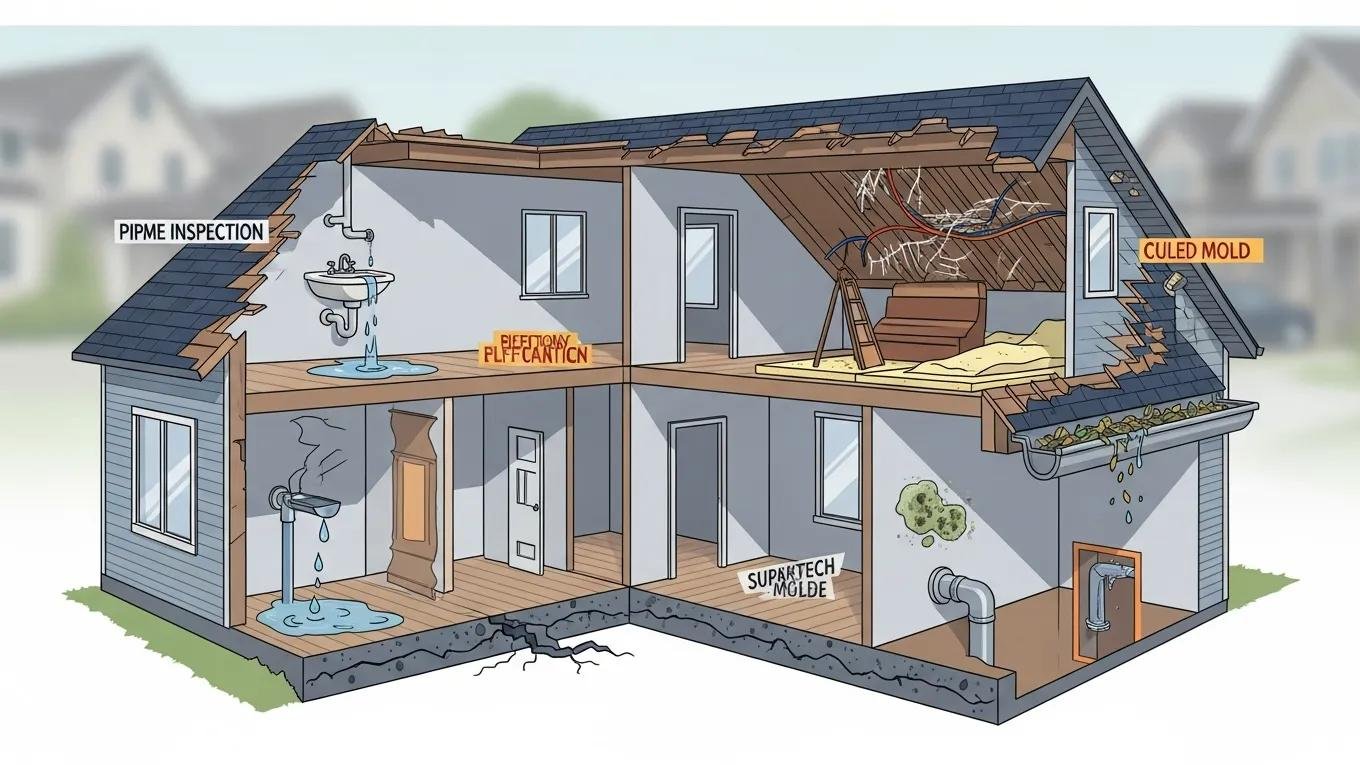
Here are ten problems we encounter most often during home inspections, with a short note on what typically causes them and why they matter:
Roofing Defects
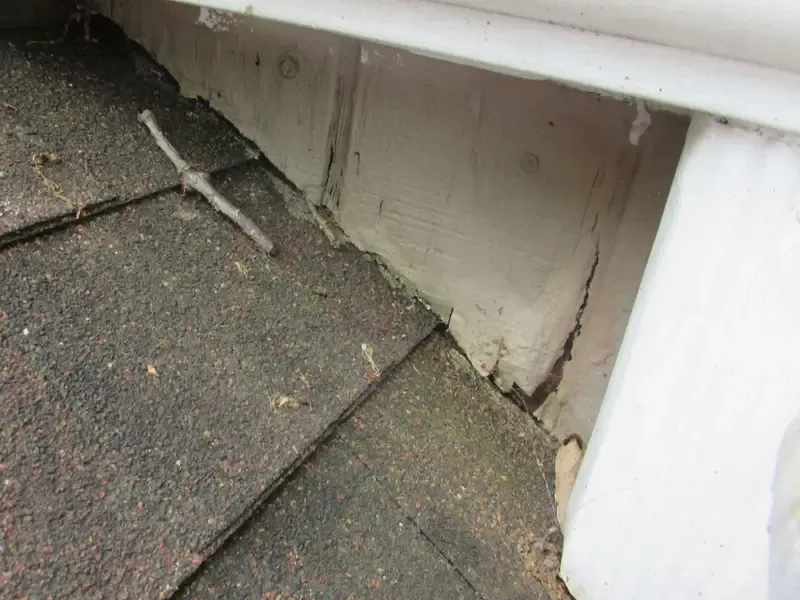
Roof problems are a frequent find. Damaged shingles, poor flashing, or improper installation can allow water into the home. In Michigan’s changing weather, roofing materials can wear faster, which raises the chance of leaks and costly interior damage. Buyers should factor roof condition into their decision and repair planning.
Foundation Problems
Foundation issues show up as cracks, sloping floors, or windows and doors that don’t close properly. Often caused by soil movement or poor drainage, these problems threaten the home’s stability and can be expensive to fix. Early detection through inspection is key to managing repairs and preventing further damage.
HVAC Issues
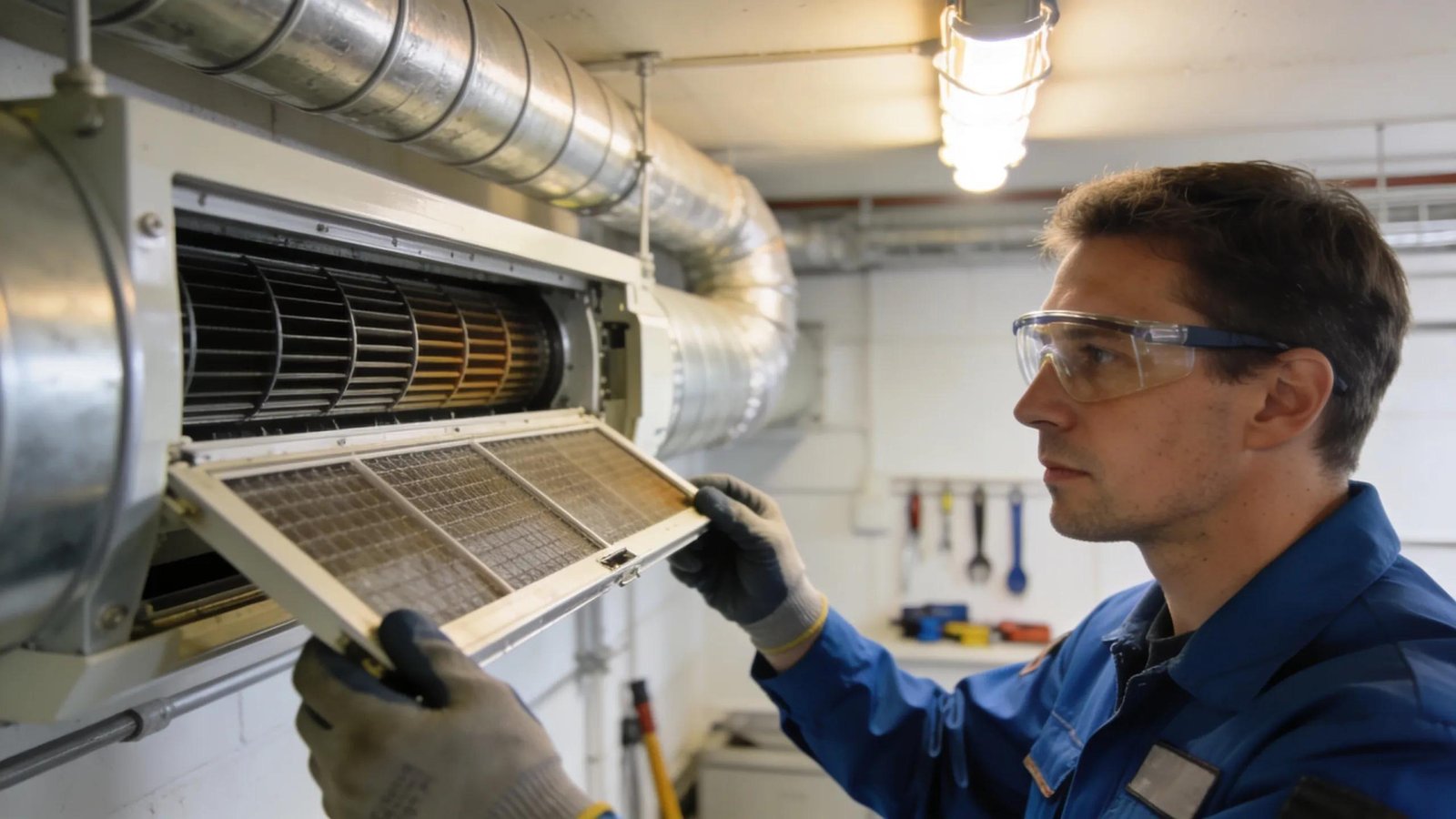
Older or poorly maintained HVAC systems commonly show reduced efficiency or performance issues. This leads to higher energy bills and uneven heating or cooling. Regular maintenance and timely upgrades help improve comfort and lower operating costs over time.
Plumbing Leaks
Hidden leaks behind walls or under floors are a common cause of water damage and mold. Corroded pipes or faulty connections are often to blame. A good inspection identifies these problems early so they can be fixed before they cause major damage. To learn more about typical inspection checks, see our home inspection overview.
Electrical Safety Concerns
Electrical issues — such as outdated wiring, improper connections, or overloaded circuits — present real safety hazards, including fire risk. A thorough inspection flags these concerns so an electrician can bring the system up to code and reduce danger to occupants.
Moisture Intrusion
Moisture problems often stem from poor ventilation, roof or wall leaks, or improper grading around the foundation. Left unchecked, moisture promotes mold and rotting structural components. Timely repair and improved ventilation help protect both health and the building envelope.
Research shows many homes have issues that need attention, reinforcing why inspections matter.
Common Home Inspection Findings: Asbestos, Moisture, & Ventilation
Only about one in five homes inspected were judged to be in excellent condition. A review of inspection reports revealed common problems, illustrated with site photos. When a house is for sale, sellers naturally show it at its best, which means there is a large, unmet need for maintenance work. Three frequent issues were asbestos (identified in 36% of reports), high moisture levels (35% of properties had mean timber moisture levels at or above 14%), and poor subfloor ventilation (53% of timber bearer moisture measurements were between 16% and over 22%).
Finding faults with residential buildings, N Isaacs, 2016
Insulation and Ventilation
Insufficient or outdated insulation and poor ventilation reduce comfort and raise energy bills. Inspectors often find gaps or low insulation levels that make heating and cooling less efficient. Addressing these issues improves comfort and utility costs over time.
Exterior and Interior Conditions
The visible condition of a home — peeling paint, cracked siding, worn flooring — can indicate deeper maintenance problems. While some issues are cosmetic, others point to neglect that may affect the home’s long-term condition. Inspections help separate minor fixes from significant concerns.
Safety Hazards
Identifying safety hazards is a core part of the inspection. Items like loose railings, improper handrails, or missing smoke/carbon monoxide detectors are common findings. Correcting these issues reduces accident risk and improves overall safety for occupants.
Sump Pump Functionality
Sump pumps are often overlooked but are essential for keeping basements dry. Inspectors test these systems to confirm they work properly. Mechanical failure or lack of maintenance can lead to basement flooding during heavy rains, so regular checks are a smart precaution.
Reviewing these common issues shows why proactive inspections are valuable. Each problem can have long-term consequences if ignored. Buyers and sellers both benefit from relying on knowledgeable inspectors like Basement To Roof Home Inspections to protect their investments and keep homes safe and comfortable.
If you’re buying a home, a thorough pre-purchase inspection is one of the best steps you can take. It looks at the things buyers care about most and gives you clear information for negotiations and future maintenance planning.
Before hiring an inspector, check the service areas to make sure they cover your location — local knowledge matters. You can also view photos of past findings in our gallery to get a sense of what inspectors typically discover.