
Why Commercial Property Inspections Are Different from Residential: Comprehensive Insights for Michigan Buyers and Investors
By Basement to Roof Home Inspections, Basement To Roof Home Inspections
Commercial property inspections differ significantly from residential inspections due to the complexity and scale of the properties involved. Understanding these differences is crucial for buyers and investors in Michigan, as it can impact their investment decisions and property management strategies. This article will explore the key distinctions between commercial and residential property inspections, including the systems evaluated, the inspection process, and the benefits of each type of inspection. Additionally, we will discuss common issues found in both property types and how Michigan regulations influence inspection practices. By the end of this article, readers will have a comprehensive understanding of why commercial property inspections require a different approach compared to residential inspections.
What Defines Commercial vs Residential Property Inspections?
The fundamental differences between commercial and residential property inspections lie in their scope, standards of practice, and target audiences. Commercial inspections typically involve larger properties with more complex systems, while residential inspections focus on homes and their immediate environments. Understanding these distinctions is essential for anyone involved in real estate transactions, as they can significantly affect the inspection process and outcomes.
Key Characteristics of Commercial Property Inspections in Michigan
Commercial property inspections in Michigan are characterized by their focus on larger, more complex buildings that often house multiple tenants or businesses. These inspections require a thorough understanding of various systems, including HVAC, plumbing, and electrical systems, which may not be as intricate in residential properties. Additionally, commercial inspections must adhere to specific regulatory compliance standards, which can vary based on the type of business and local laws.
Distinct Features of Residential Home Inspections
Residential home inspections are generally more standardized and focus on the safety and livability of the home. Inspectors evaluate essential systems such as roofing, foundations, and electrical systems, but the scope is typically less extensive than that of commercial inspections. The primary goal is to ensure that the home is safe for occupancy and to identify any immediate maintenance issues that may need addressing.
Which Systems and Components Are Evaluated Differently?
The systems and components evaluated during commercial and residential inspections differ significantly due to the nature of the properties involved. Understanding these differences can help buyers and investors make informed decisions.
Detailed Roofing and Foundation Assessments for Commercial Buildings
In commercial buildings, roofing and foundation assessments are critical due to the larger scale and potential for more significant structural issues. Inspectors must evaluate the integrity of the roof, including drainage systems and materials used, as well as the foundation’s stability, which can be affected by the weight of the building and environmental factors. Common issues found in commercial roofs include leaks, ponding water, and material degradation, which can lead to costly repairs if not addressed promptly.
Electrical, HVAC, and Plumbing Inspections: Commercial vs Residential
Electrical, HVAC, and plumbing systems in commercial properties are often more complex than those in residential homes. Commercial inspections require a detailed analysis of these systems to ensure they meet safety standards and are functioning efficiently. For instance, commercial HVAC systems may involve multiple units and complex ductwork, while residential systems are typically simpler. Understanding these differences is crucial for identifying potential issues that could impact the property’s value and safety.
How Does the Inspection Process Vary Between Commercial and Residential Properties?
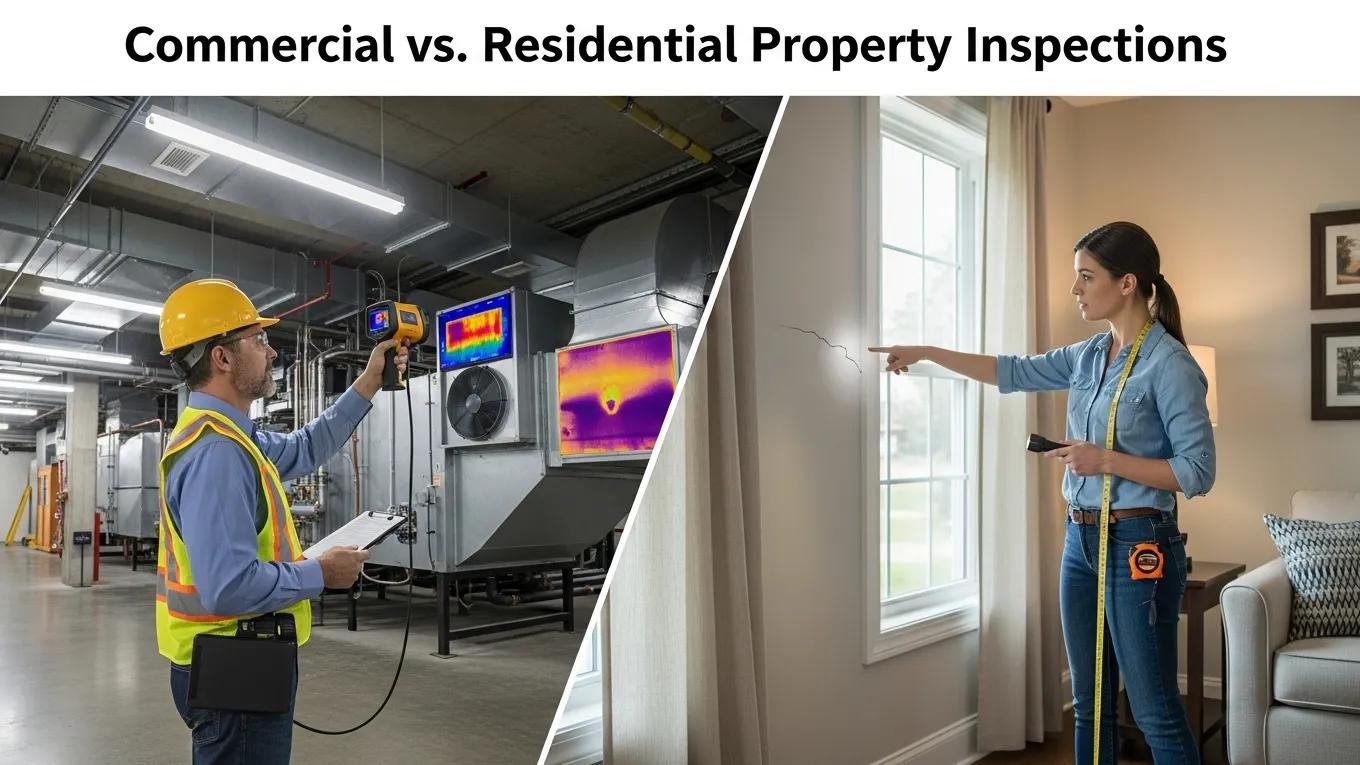
The inspection process for commercial and residential properties varies significantly, reflecting the complexity and scale of the properties involved.
Inspection Techniques and Scope Differences Explained
Commercial property inspections often employ more advanced techniques and tools due to the larger size and complexity of the buildings. Inspectors may use thermal imaging, moisture meters, and other specialized equipment to assess the condition of various systems. In contrast, residential inspections typically rely on visual assessments and standard tools, making the process less intensive but still thorough.
Reporting and Communication: What Clients Should Expect
The reporting and communication process also differs between commercial and residential inspections. Commercial inspections often result in more detailed reports that include extensive documentation of findings, recommendations for repairs, and compliance with local regulations. Residential inspection reports, while still comprehensive, tend to be more straightforward and focused on immediate concerns that affect the home’s safety and livability.
What Are the Benefits of Commercial vs Residential Inspections for Buyers and Investors?
Understanding the benefits of each type of inspection can help buyers and investors make informed decisions about their properties.
Identifying Safety Concerns and Deferred Maintenance Early
Both commercial and residential inspections play a crucial role in identifying safety concerns and deferred maintenance issues. Early detection of these problems can save property owners significant costs in repairs and help maintain the property’s value. For commercial properties, this is particularly important, as safety violations can lead to legal issues and financial liabilities.
Supporting Informed Real Estate Decisions with Clear Reporting
Clear and detailed reporting from inspections supports informed real estate decisions. For commercial buyers, understanding the condition of a property can influence negotiations and investment strategies. Basement To Roof Home Inspections emphasizes thorough reporting and clear communication, ensuring that clients are well-informed about the properties they are considering.
What Common Issues Are Found in Commercial Compared to Residential Properties?
Identifying common issues found in both commercial and residential properties can help buyers and investors anticipate potential challenges.
Typical Defects and Safety Risks in Commercial Buildings
Commercial buildings often face unique defects and safety risks, including structural issues, outdated electrical systems, and compliance failures. These problems can significantly impact the property’s value and safety, making thorough inspections essential. Common defects include water damage, mold growth, and inadequate fire safety measures.
Frequent Residential Property Inspection Findings
In residential properties, common inspection findings often include issues such as roof leaks, plumbing leaks, and electrical problems. These issues can affect the safety and livability of the home, making it crucial for buyers to understand the potential risks before finalizing a purchase.
How Do Michigan Regulations Impact Commercial and Residential Inspections?
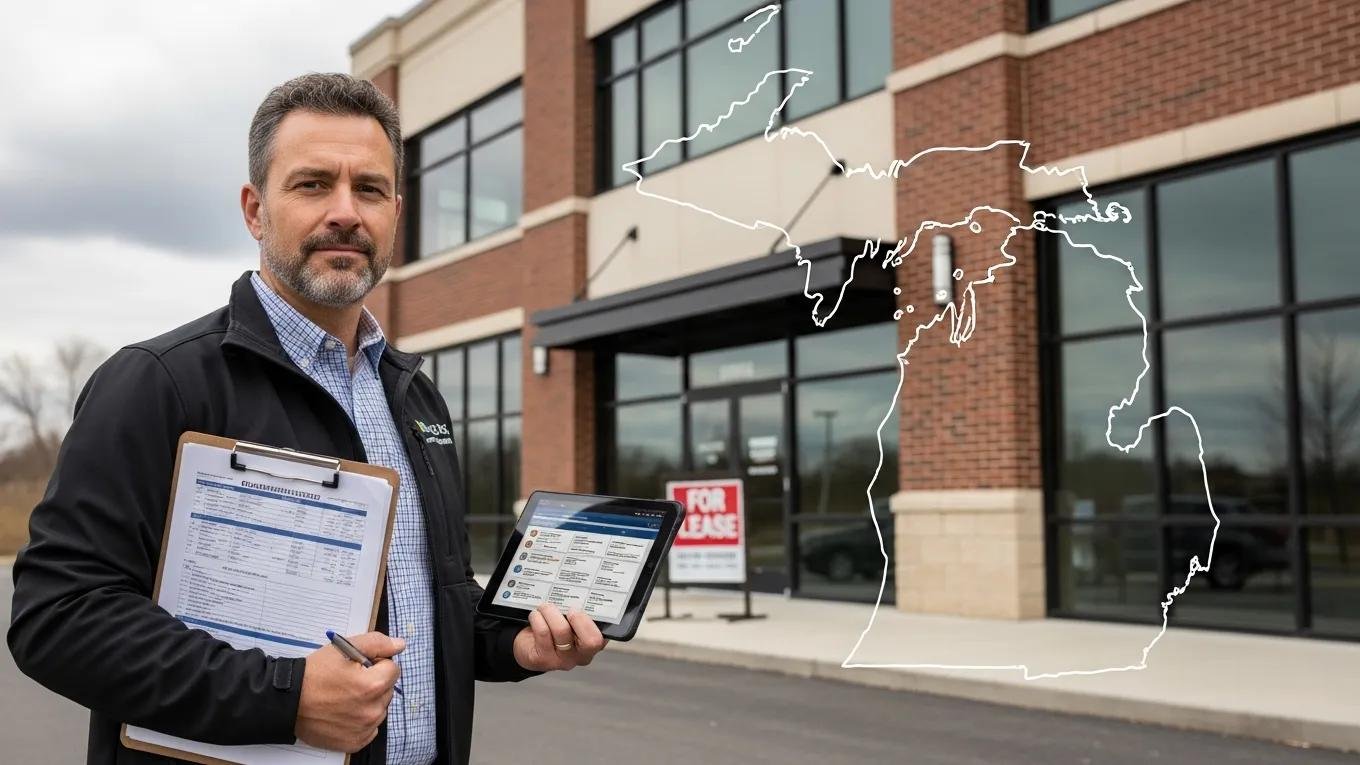
Michigan regulations play a significant role in shaping the inspection process for both commercial and residential properties.
Understanding Michigan-Specific Inspection Standards
Michigan has specific inspection standards that govern both commercial and residential properties. These regulations ensure that properties meet safety and livability requirements, protecting buyers and tenants. Understanding these standards is essential for anyone involved in real estate transactions in the state.
Compliance Requirements for Commercial Property Inspections
Compliance requirements for commercial property inspections are often more stringent than those for residential inspections. Commercial properties must adhere to various local, state, and federal regulations, which can impact the inspection process and outcomes. Ensuring compliance is crucial for property owners to avoid legal issues and maintain their investment’s value.
To learn more about our company and our commitment to quality, visit our about us page.
For those looking to buy a home, consider the benefits of pre-purchase inspections to ensure you are making a sound investment.
If you are interested in a general home inspection, contact us today to schedule an appointment.