

How to Prepare Your Home for a Professional Inspection: Comprehensive Michigan Home Inspection Checklist and Process Explained
By Basement to Roof Home Inspections, Basement To Roof Home Inspections
Preparing your home for a professional inspection is a crucial step in the real estate process, whether you are selling or buying a property. A thorough inspection can reveal potential issues that may affect the value and safety of the home. This guide will provide you with essential tips and a comprehensive checklist to ensure your home is ready for inspection. By understanding the inspection process and what inspectors look for, you can address any concerns beforehand, making the experience smoother and more beneficial for all parties involved. This article will cover preparation checklists, the inspection process, what inspectors evaluate, and how to effectively prepare your home for inspection.
Preparation Checklist

A well-structured preparation checklist is vital for homeowners to ensure their property is ready for inspection. Here are key steps to follow:
- Clean and Declutter the Home: A tidy home allows inspectors to easily access all areas, making the inspection process more efficient.
- Ensure Access to All Areas: Clear pathways to attics, basements, and crawl spaces. Inspectors need to evaluate these areas thoroughly.
- Check Utilities and Systems: Ensure that all utilities are operational, including water, electricity, and gas. This will help avoid delays during the inspection.
By following this checklist, homeowners can significantly enhance the inspection experience and potentially avoid issues that could arise during the evaluation.
Understanding the Inspection Process
The home inspection process is a detailed evaluation of a property’s condition, typically lasting 2-4 hours. Inspectors assess various systems, including roofing, plumbing, electrical, and HVAC systems. Understanding what to expect can alleviate anxiety for homeowners.
During the inspection, the inspector will provide a comprehensive report detailing their findings, which can be used for negotiations or repairs. Homeowners are encouraged to attend the inspection to gain insights and ask questions directly.
Basement To Roof Home Inspections emphasizes the importance of clear communication and thorough reporting throughout this process, ensuring that homeowners are well-informed about their property’s condition.
What Does a Professional Home Inspection Cover in Michigan?
In Michigan, a professional home inspection covers several critical components of a property. The following table outlines the main systems evaluated during an inspection:
These evaluations help identify any immediate concerns that need addressing, ensuring the home is safe and functional for its occupants.
How Do Local Michigan Building Codes Influence Inspection Criteria?
Local building codes in Michigan play a significant role in determining the standards for home inspections. These codes ensure that homes meet safety and structural integrity requirements. Common code violations may include improper electrical wiring, inadequate insulation, and plumbing issues. Understanding these codes can help homeowners prepare their properties to meet inspection criteria effectively.
What Are the Essential Steps in Preparing Your Home for Inspection?
To prepare your home for inspection, follow these essential steps:
- Gather Necessary Documents: Compile any previous inspection reports, warranties, and maintenance records to provide to the inspector.
- Conduct a Walkthrough: Perform a thorough walkthrough of your home to identify any visible issues that may need attention.
- Make Repairs: Address minor repairs, such as fixing leaky faucets or replacing burnt-out light bulbs, to present your home in the best light.
These steps can help streamline the inspection process and potentially enhance the property’s value.
How to Use a Pre-Inspection Checklist for Homeowners Effectively
Using a pre-inspection checklist can help homeowners systematically prepare their properties. Here’s how to utilize it effectively:
- Review Key Areas: Focus on critical systems such as plumbing, electrical, and HVAC.
- Conduct a Final Walkthrough: Ensure all areas are accessible and in good condition before the inspection.
- Document Everything: Keep records of repairs and maintenance to share with the inspector.
By following these guidelines, homeowners can ensure they are well-prepared for the inspection.
What Exterior and Roofing Preparation Tips Should You Follow?
Preparing the exterior and roofing of your home is essential for a successful inspection. Here are some tips:
- Inspect Roofing Materials: Check for missing shingles or signs of wear that may need repair.
- Clear Gutters: Ensure gutters are free of debris to prevent water damage.
- Trim Trees and Bushes: Maintain landscaping to allow easy access to the home’s exterior.
These preparations can help prevent potential issues from being flagged during the inspection.
How to Prepare Plumbing, Electrical, HVAC, and Insulation Systems for Inspection?
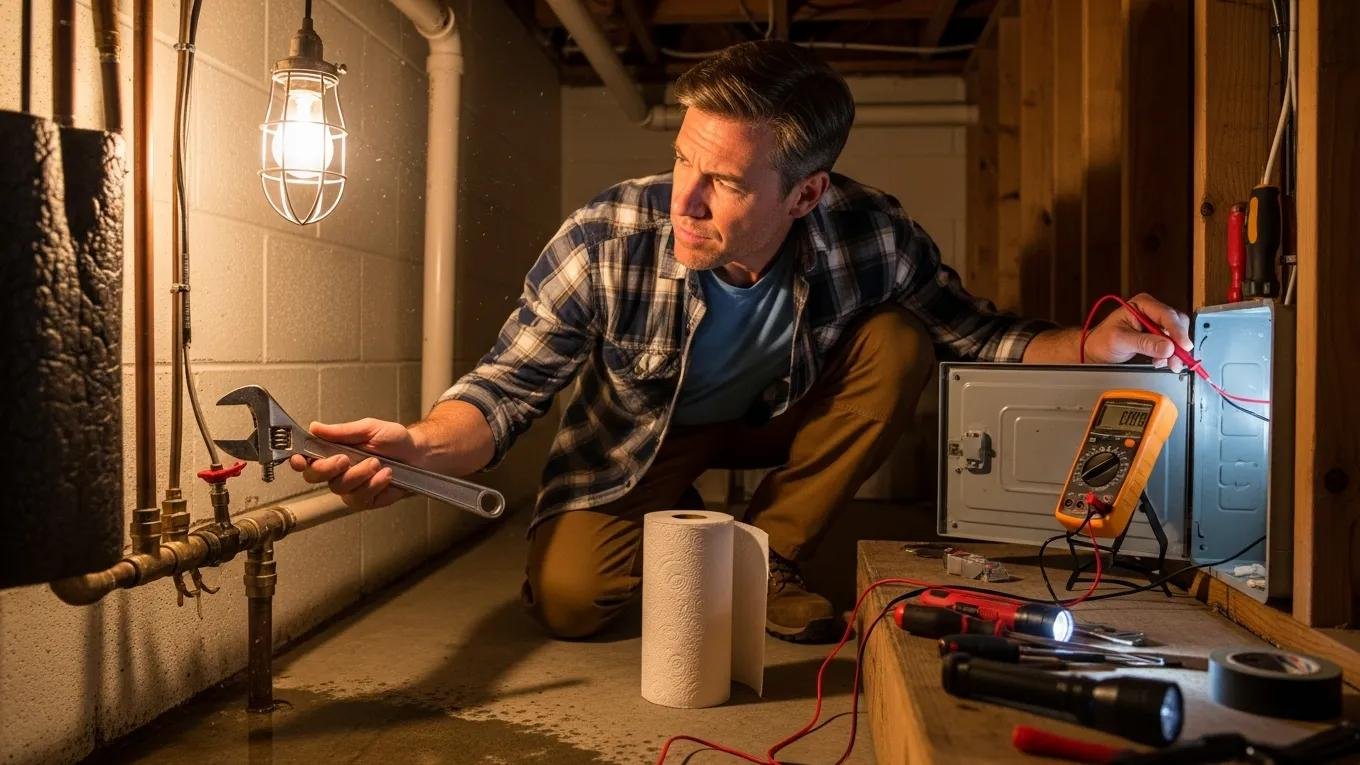
Properly preparing your home’s systems is crucial for a successful inspection. Here are some recommendations:
- Check for Leaks: Inspect all plumbing fixtures for leaks and ensure they are functioning correctly.
- Test Functionality: Ensure all electrical outlets and switches are operational.
- Ensure Accessibility: Make sure that HVAC units and insulation areas are accessible for inspection.
These steps can help ensure that your home meets inspection standards.
What Plumbing and Electrical Readiness Measures Are Recommended?
To prepare plumbing and electrical systems for inspection, consider the following measures:
- Testing Outlets and Switches: Ensure all outlets are functional and safe.
- Checking for Leaks: Inspect pipes and fixtures for any signs of leaks or damage.
- Ensuring Safety Features: Verify that smoke detectors and carbon monoxide detectors are installed and operational.
These measures can help prevent issues during the inspection process.
How to Ensure HVAC and Insulation Meet Inspection Standards?
To ensure your HVAC and insulation systems meet inspection standards, follow these guidelines:
- Checking HVAC Functionality: Test the heating and cooling systems to ensure they operate efficiently.
- Inspecting Insulation Levels: Ensure that insulation is adequate in attics and crawl spaces.
- Ensuring Proper Ventilation: Check that all ventilation systems are clear and functioning.
These preparations can help ensure that your home’s systems are in good condition for inspection.
What Should You Expect During the Home Inspection Process?
During the home inspection process, expect a thorough evaluation of your property. Inspectors will assess various systems and components, providing a detailed report of their findings. Homeowners are encouraged to attend the inspection to gain insights and ask questions directly. This engagement can help clarify any concerns and provide a better understanding of the property’s condition.
How Long Does a Typical Home Inspection Take in Michigan?
A typical home inspection in Michigan usually takes between 2 to 4 hours, depending on the size and condition of the property. Factors such as the age of the home and the complexity of its systems can influence the duration. Homeowners should plan accordingly and be available to discuss findings with the inspector.
Can Homeowners Attend and Participate During the Inspection?
Yes, homeowners are encouraged to attend and participate during the inspection. Being present allows homeowners to ask questions and gain valuable insights into the condition of their property. However, it is essential to respect the inspector’s process and avoid interfering with their work.
How Do Home Inspections Benefit Buyers, Sellers, and Investors in Michigan?
Home inspections provide numerous benefits for buyers, sellers, and investors in Michigan:
- Informed Decision-Making: Inspections help buyers make informed decisions about their purchase.
- Negotiation Leverage: Sellers can address issues before listing, enhancing their negotiating position.
- Understanding Maintenance Needs: Investors gain insights into potential maintenance and repair needs.
These benefits highlight the importance of professional inspections in real estate transactions.
Research further underscores how proactive preparation and audits can significantly mitigate risks and streamline official processes.
Benefits of Pre-Inspection Audits for Housing Quality
proactive identification of non-conformities through preventive audits substantially reduces the risk of failure in official inspections, accelerating the governmental approval process and the subsequent transfer of subsidies. Furthermore, the systematic implementation of pre-inspection audits critically mitigates the risk of losing tax credits and regulatory sanctions, establishing an essential governance mechanism.
PRE-INSPECTION AUDITS IN COMPLIANCE WITH FEDERAL HOUSING QUALITY STANDARDS IN SUBSIDIZED PROJECTS: A SYSTEMATIC REVIEW, 2026
What Safety Concerns and Deferred Maintenance Can Inspections Identify?
Inspections can identify various safety concerns and deferred maintenance issues, including:
- Common Safety Hazards: Issues such as mold, structural damage, and electrical hazards can be flagged.
- Impact of Deferred Maintenance: Neglected repairs can lead to more significant problems down the line, affecting the property’s value and safety.
Addressing these concerns proactively can enhance the safety and value of the home.
How Do Inspection Reports Empower Informed Real Estate Decisions?
Inspection reports provide detailed insights into a property’s condition, empowering buyers and sellers to make informed decisions. These reports can support negotiations, highlight necessary repairs, and assist in long-term planning for property maintenance. Understanding the findings can help all parties involved navigate the real estate process more effectively.
What Michigan-Specific Factors Should You Consider When Preparing Your Home?
When preparing your home for inspection in Michigan, consider local building codes and climate factors. Understanding these elements can help ensure that your home meets inspection standards and is prepared for seasonal challenges.
How Does Michigan’s Climate Affect Inspection Preparation?
Michigan’s climate can significantly impact home inspection preparation. Seasonal considerations, such as snow and ice, can affect roofing and drainage systems. Homeowners should be aware of common weather-related issues that may arise during inspections, ensuring that their properties are adequately prepared.
What Local Regulations and Codes Impact Inspection Requirements?
Local regulations and building codes in Michigan dictate the standards for home inspections. Understanding these requirements can help homeowners prepare their properties to meet inspection criteria effectively. Compliance with local codes is essential for ensuring safety and structural integrity.
To ensure you are working with a qualified professional, consider contacting a home inspector with extensive experience in the local area. They can provide valuable insights and ensure a thorough evaluation of your property.