
Comprehensive Sewer Line Inspections in Michigan — Protecting Older Homes and Your Investment
Sewer scope inspections matter—especially for older Michigan houses. Cold winters, shifting soils, and mature trees can hide sewer problems that quickly turn into expensive repairs. This article explains why sewer scope inspections are important, how the camera technology works, and what homeowners, buyers, and sellers gain from a professional inspection. Many older Michigan homes carry invisible sewer risks; understanding the inspection process and spotting early warning signs helps protect your home and your budget. Below we outline the inspection steps, common problems found, and the services provided by Basement To Roof Home Inspections.
What Is a Sewer Scope Inspection and Why Older Michigan Homes Need One
A sewer scope inspection uses a small, high-resolution camera run through a home’s sewer line to give a clear, real-time look at pipe condition. For older Michigan homes this is essential—issues like blockages, cracks, or corrosion often sit out of sight and can worsen quickly. Catching problems early can prevent major damage and large repair bills. Typical findings include tree root intrusion that blocks flow and pipe misalignment that leads to leaks.
Inspection Process:
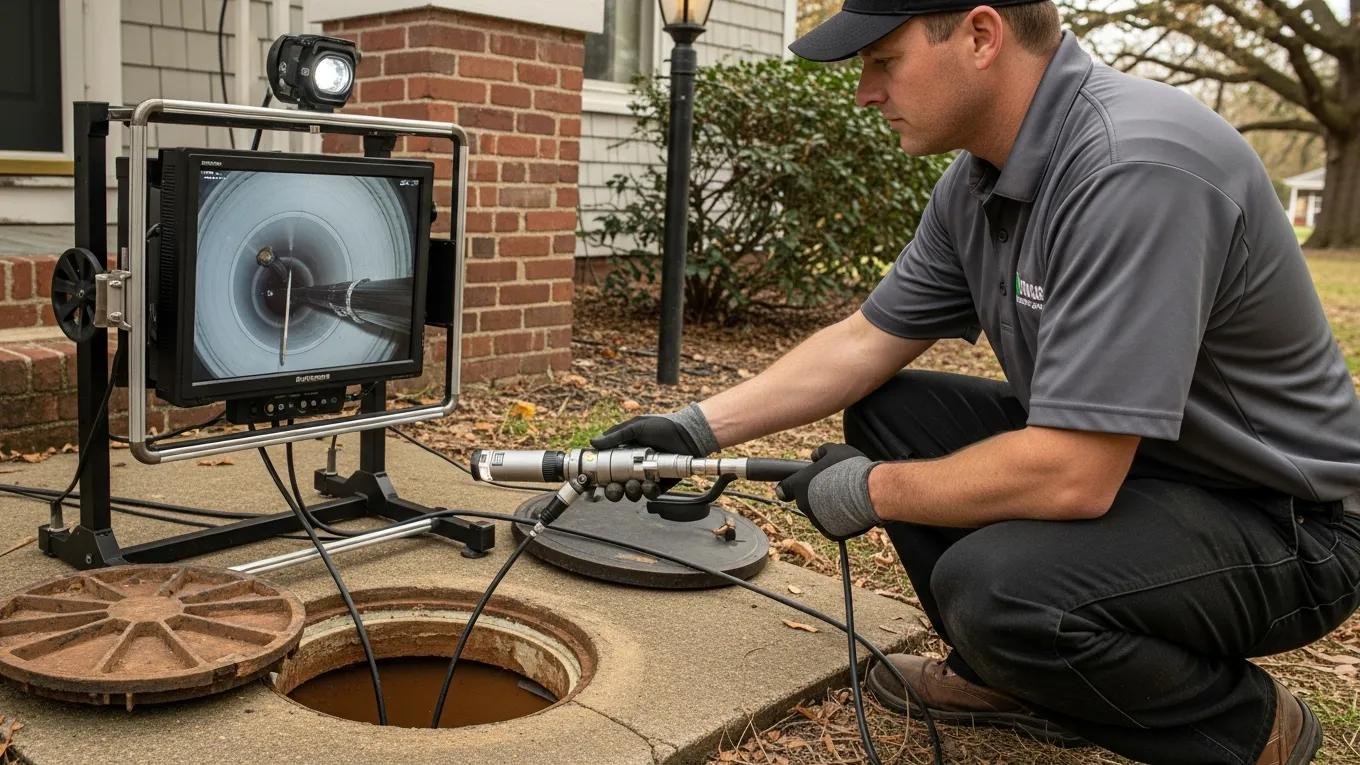
During a sewer scope inspection, a trained technician locates an access point, inserts a crawler or push camera, and records a continuous video of the pipe interior. The live feed lets the inspector spot cracks, breaks, joints out of alignment, and obstructions as they happen. Inspectors document problem locations and capture still images or video clips so you have a clear record of the pipe’s condition—information that guides repair decisions and next steps.
Common Issues Identified:
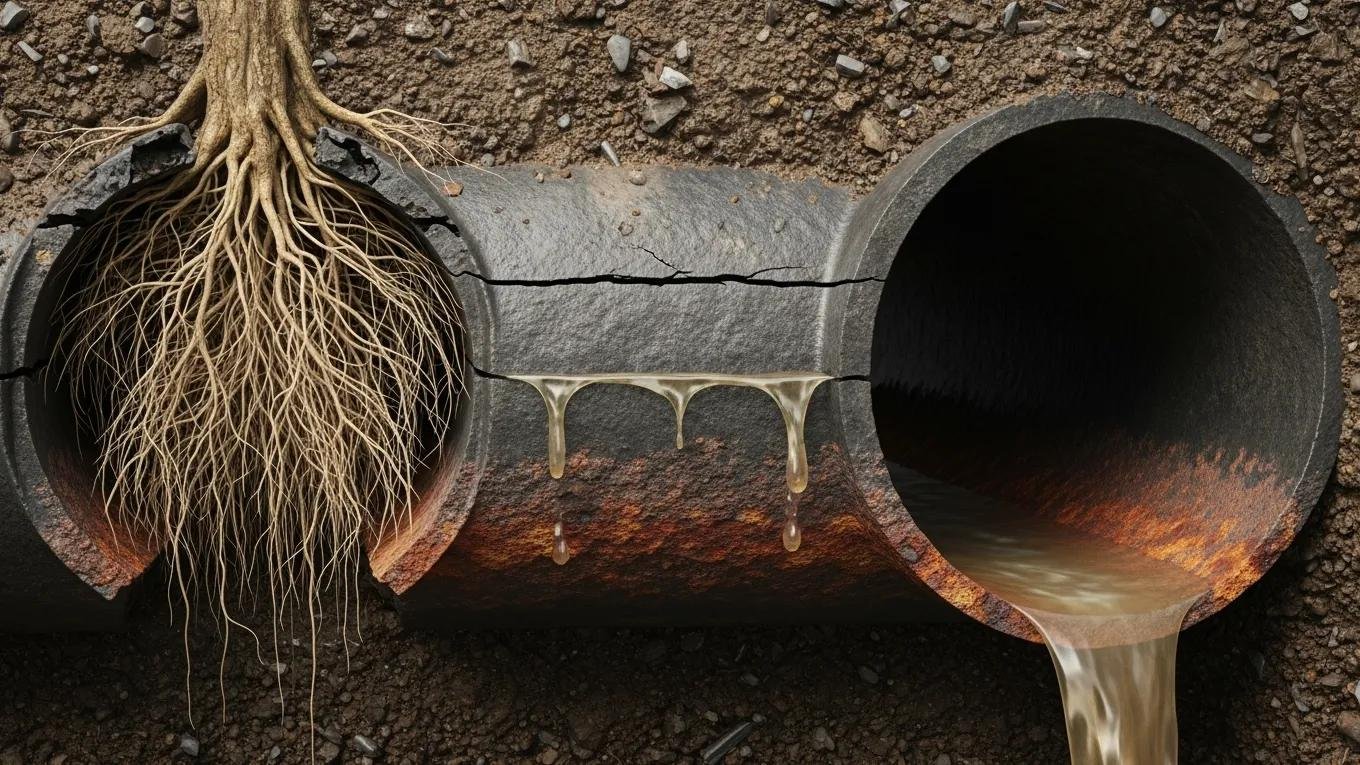
Typical problems found on sewer scopes include:
- Tree root intrusion: Roots can invade pipes, causing slow drains and full blockages.
- Cracks and breaks: Older materials can split or fracture, leading to leaks and sinkholes.
- Corrosion and misalignment: Pipes can corrode or shift over time, creating poor drainage and backups.
Early identification of these issues can save homeowners thousands in repair and prevent disruption to daily life.
Tree Root Intrusion in Older Sewer Pipes
Historical studies show tree roots are a frequent cause of sewer damage in older systems. One review reported 63 incidents of root intrusion across 37 municipalities, with even PVC pipes affected.
The interaction of tree roots and sewers: The Swedish experience, 1998
Recognizing these problems early avoids larger failures—and keeps your property safe and marketable.
How Sewer Camera Inspection Technology Works
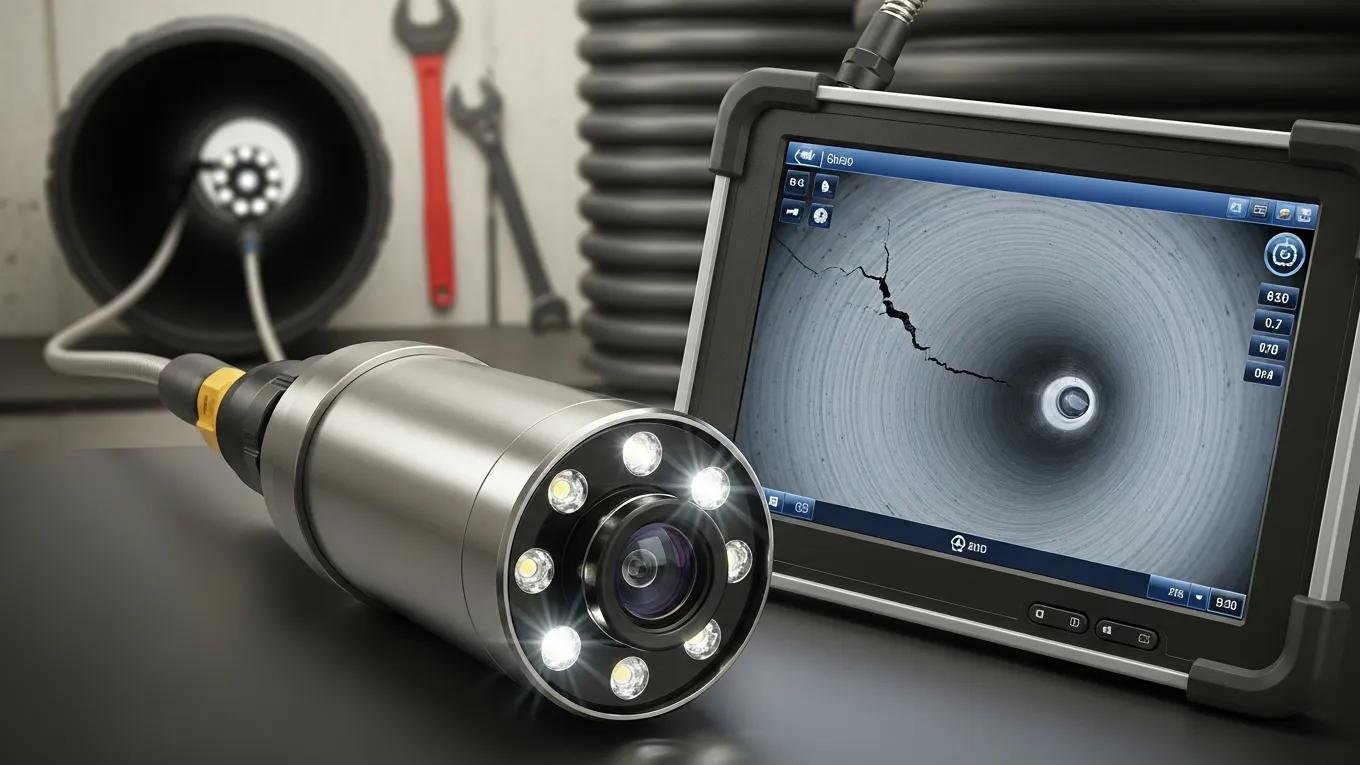
Sewer cameras are compact, waterproof video systems that travel through pipes and stream live footage to a monitor. Modern cameras deliver sharp images and can navigate bends while recording location data or distance markers. This non-invasive approach gives inspectors an accurate assessment without digging—making it faster, cleaner, and usually less expensive than traditional excavation.
Research into internal inspection technologies supports their reliability, cost-effectiveness, and ability to provide actionable condition data.
Sewer Line Condition Assessment & Inspection Technologies
Studies on internal inspection methods emphasize dependable condition data, improved efficiency, and costs that compare favorably with traditional inspection approaches.
Assessment technologies for sewer system rehabilitation, 1998
How to Spot Sewer Line Problems in Older Michigan Properties
Finding early signs of sewer trouble helps you act before a small issue becomes a major repair. Watch for these common indicators and call for an inspection if you see them.
What Are the Early Indicators of Sewer Pipe Damage?
Early warning signs include:
- Unusual odors: Persistent sewer smells from drains or outdoors.
- Slow drains: Multiple fixtures draining slowly can mean a main line blockage.
- Water backups: Toilets or sinks backing up are a serious red flag.
Early detection leads to simpler, less costly repairs and less disruption to your home.
How Michigan’s Soil and Climate Affect Sewer Lines
Michigan’s freeze-thaw cycles and heavy clay soils increase the stress on underground pipes. Soil movement can misalign joints, and seasonal changes can worsen existing cracks. Regular inspections are especially important in this climate to catch conditions that accelerate deterioration.
Studies of pipe failures in cold regions highlight how temperature and precipitation influence underground infrastructure performance—reinforcing the value of proactive inspection and maintenance.
Climate Impact on Pipe Failures in Cold Regions
Climate shifts affect infrastructure resilience. Research shows temperature and precipitation patterns influence failure rates of buried pipes, with regional differences in break and corrosion risk.
Assessment of the impacts of climate change on water supply system pipe failures, X Fan, 2023
What to Expect from a Sewer Scope Inspection at Basement To Roof Home Inspections
At Basement To Roof Home Inspections, our sewer inspections are thorough and customer-focused. We use up-to-date camera systems and experienced technicians to deliver clear, actionable results.
How Cameras Help Detect Blockages and Pipe Cracks
The camera feed helps us pinpoint the exact location and nature of a problem—whether it’s a root mass, a crack, or a collapsed section. Accurate footage speeds diagnosis and helps contractors plan precise, cost-effective repairs.
What Reporting and Guidance You’ll Receive
After the inspection you’ll get a written report with time-stamped images or video clips, clear descriptions of any issues, and recommended next steps. We explain findings in plain language so you can make informed decisions about repairs, budgeting, or negotiating a sale.
Benefits of Sewer Inspections for Buyers, Sellers, and Investors
Sewer inspections protect the people and money involved in a property transaction. Buyers gain confidence; sellers can address or disclose problems up front; investors get a clearer picture of long-term maintenance costs.
How Early Detection Cuts Repair Costs
Finding problems early—like a developing root intrusion or a small crack—lets you fix them before they escalate into major failures. That proactive approach often saves thousands and limits the disruption to your property.
Why Sewer Inspections Matter in Real Estate Deals
Sewer inspections create transparency in transactions. Buyers can negotiate based on documented findings, and sellers can avoid surprises that delay or derail a sale. Clear, documented sewer condition reports help transactions move forward with confidence.
How Much a Home Sewer Inspection Costs in Michigan and How to Schedule
Inspection costs vary by property size and complexity, but a typical home sewer scope inspection in Michigan runs between $200 and $500 for a comprehensive assessment.
What Affects Sewer Inspection Pricing
Pricing depends on factors such as:
- Property size: Larger homes or long lateral runs take more time.
- Inspection complexity: Multi-line systems or hard-to-access cleanouts increase effort.
- Location: Accessibility and local market rates influence final pricing.
How to Book a Sewer Scope Inspection with Basement To Roof Home Inspections
Scheduling is easy—contact us by phone or email and tell us about the property and any concerns so we can prepare. Before we arrive, clear access to the main cleanout and any basement areas to speed the process.
Different sewer inspection services deliver specific advantages depending on the homeowner’s needs.
We serve homeowners across multiple regions—see Basement To Roof Home Inspections for our coverage areas. Professional sewer inspections are a small step that protects your investment and extends the life of your home’s sewer system.