
A Step-by-Step Home Inspection Guide for Michigan Homebuyers and Sellers
A home inspection is a key milestone when buying or selling property in Michigan. This straightforward guide breaks the inspection process into clear, practical steps so you know what to expect. We cover why inspections matter, what happens before, during and after the visit, and common issues Michigan homes often face. You’ll get actionable tips to work confidently with your inspector and protect your investment.
Comprehensive Guide to the Home Inspection Process for Michigan Residents
A home inspection is a thorough review of a property’s condition, meant to uncover problems that could affect safety or value. In Michigan, local weather and seasonal shifts can shape what inspectors look for, so it helps to know those specifics. Inspections usually take about 2 to 4 hours depending on the home’s size and condition. We recommend homeowners attend when possible — it’s the best way to ask questions and learn firsthand about the property.
Understanding the Home Inspection Process
Home inspections give buyers and sellers a clear, objective snapshot of a house’s systems and structure so they can make informed choices. Knowing the typical flow of an inspection reduces stress and helps you focus on the items that matter most.
- Purpose of Home Inspections: Inspections identify structural issues and system failures and highlight safety concerns so buyers and sellers can address them before a transaction closes.
- Duration: Most inspections run between 2 and 4 hours, influenced by the property’s square footage, age, and condition.
- Attendance: Buyers and sellers are encouraged to attend. Seeing issues in person and hearing the inspector’s explanations makes their report far more useful.
Key Steps in the Home Inspection Process
Inspections follow a methodical path designed to reveal problems that aren’t obvious to untrained eyes. Below are the typical stages and what each includes.
- Preparation:Clean and Declutter: Make access easy by clearing pathways and work areas.Check Utilities: Ensure water, electricity, and gas are on so systems can be tested.Gather Documents: Provide past reports, warranties, and maintenance records to give the inspector background on the home.
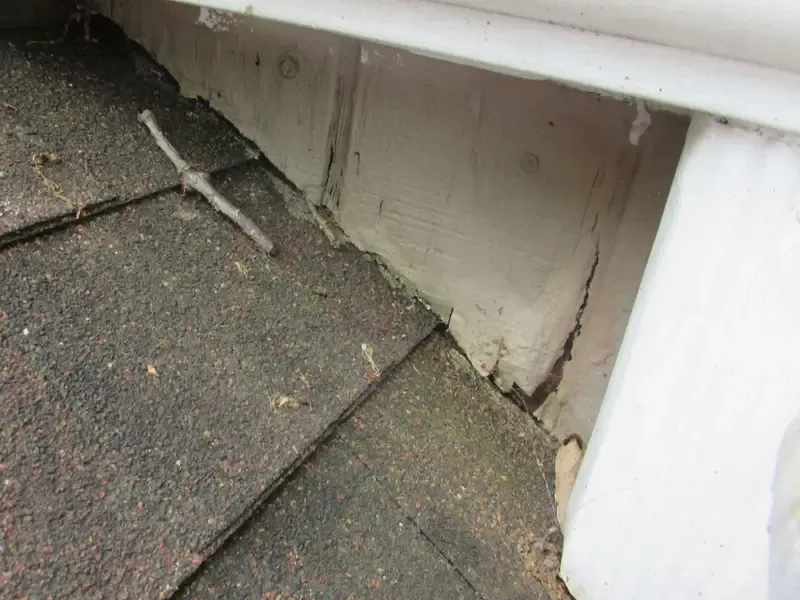
- The Inspection:Inspectors examine the home’s main systems, including:Roofing: Look for leaks, damaged shingles, and flashing issues.Plumbing: Check pipes, water pressure, drains, and visible leaks.Electrical: Review wiring, panels, and safety components like GFCIs and breakers.HVAC: Test heating and cooling systems for operation and efficiency.The inspector documents findings and typically explains major items on-site.
- Post-Inspection:Review the Report: Read the inspector’s report carefully and note urgent safety issues.Identify Repairs: Prioritize fixes by safety and cost impact.Consult Professionals: For complex problems, such as structural or major mechanical issues, get specialized quotes or second opinions.
Key Considerations
Here are a few Michigan-specific points to keep in mind when planning an inspection.
- Local Building Codes: Be aware of Michigan codes and standards — they influence what inspectors report and how issues are classified.
- Common Issues in Michigan Homes:Winter-related roof damage and ice dam risks.Foundation concerns from shifting or expansive soils.HVAC stress from wide seasonal temperature swings and older equipment.
Practical Tips for Effective Inspections
These simple habits help make the inspection process smoother and more valuable.
- Attend the Inspection: Walk through with the inspector to see findings directly and ask how to maintain or fix items.
- Understand Terminology: Learn basic terms like “deficiency,” “maintenance,” and “safety hazard” to interpret the report accurately.
- Prioritize Safety Concerns: Address immediate risks first — they protect people and prevent further damage.
- Document Everything: Keep repair receipts, warranties, and service records together to track maintenance over time.
Benefits of Home Inspections
Spending on a professional inspection pays off in several ways for both buyers and sellers.
- Informed Decision-Making: Inspections reveal hidden issues so buyers can buy with confidence and sellers can be transparent.
- Negotiation Leverage: Findings can support requests for repairs or price adjustments, or let sellers correct problems before listing.
- Maintenance Planning: Reports highlight items that will need attention down the road, helping owners budget and plan.
What Is a Home Inspection and Why Is It Important in Michigan?
A home inspection is a licensed professional’s evaluation of a property’s condition. In Michigan, inspections are especially valuable because they reveal issues influenced by our climate and soil conditions. While inspections aren’t legally required, they can prevent costly surprises and disputes. For a full list of services, visit Basement to Roof Home Inspections.
Importance of Home Inspections in Michigan
Understanding an inspection report is critical. For detailed coverage of what’s included, see our General Home Inspections page. A clear report ensures buyers and sellers focus on the most important items before closing.
- Legal Requirements: Inspections aren’t mandatory in Michigan, but they’re strongly recommended. Sellers sometimes choose a pre-listing inspection (Pre-Purchase Inspections) to address issues ahead of time.
- Impact on Property Value: A thorough inspection can reveal defects that affect value. Buyers can negotiate repairs or price adjustments, and sellers can increase buyer confidence by fixing issues up front.
Getting familiar with the inspection process makes buying or selling a home less stressful. With the right preparation and a reliable inspector, Michigan residents can protect their investment and move forward with confidence.