

Understanding Your Home Inspection Report: A Comprehensive Guide for Michigan Homeowners
By Basement to Roof Home Inspections, Basement To Roof Home Inspections
Navigating the complexities of a home inspection report can be daunting for many homeowners and prospective buyers. This guide aims to demystify the essential elements of these reports, providing clarity on what to expect and how to interpret the findings effectively. Understanding your home inspection report is crucial, as it serves as a comprehensive evaluation of a property’s condition, highlighting potential issues that could affect your investment. Homeowners often face challenges in deciphering technical jargon and identifying critical areas of concern. This article will cover key elements of home inspection reports, common issues to look for, tips for effective interpretation, and the importance of professional inspections. By the end, you will be equipped with the knowledge to make informed decisions regarding your property.
Indeed, the core purpose of these reports is to provide a thorough assessment of a residential property’s condition through physical inspection.
Residential Property Inspection for Condition Assessment
condition of a residential property. This is still based on the physical inspection of a property by to enable the property’s condition to be assessed. This assessment forms the basis of the
Residential Property Appraisal: Volume 2:
Inspections, Defects and Reports, 2022
Key Elements of the Home Inspection Report:
A home inspection report is a detailed document that outlines the condition of a property, focusing on its major systems and structural components. Typically, these reports include a comprehensive evaluation of roofing, foundation, plumbing, electrical systems, HVAC, insulation, and ventilation. Additionally, the report often features photographs and descriptions of the findings, ensuring that homeowners can visualize the issues identified during the inspection. Adherence to professional standards is paramount, as it ensures that the inspection is thorough and reliable. Understanding these key elements is essential for homeowners to grasp the overall condition of their property and to prioritize necessary repairs.
Further emphasizing the comprehensive nature of these documents, reports often detail not only property conditions but also essential information about the parties involved and the tools used.
Home Inspection Report Essentials: Client, Inspector, Property Details
the property inspection and inspection report, information about the client, inspector, real estate professional, and property inspection software and services, which the inspector uses to
Inspection Report, 2023
Common Issues to Look For:
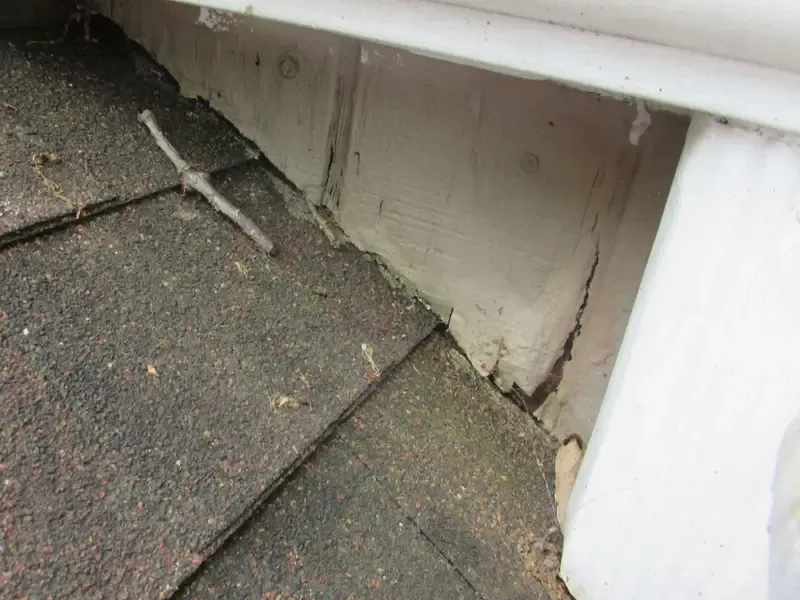
When reviewing a home inspection report, several common issues may arise that warrant attention. These include:
- Roofing Problems: Look for signs of wear, missing shingles, or leaks that could lead to significant water damage.
- Foundation Issues: Cracks or settling in the foundation can indicate serious structural concerns that need immediate evaluation.
- Electrical Safety Concerns: Outdated wiring or insufficient grounding can pose safety hazards and should be addressed promptly.
Identifying these issues early can save homeowners from costly repairs and ensure the safety and integrity of their property.
Tips for Effectively Interpreting the Findings:
Interpreting a home inspection report can be challenging, but following these tips can help homeowners make sense of the findings:
- Attend the Inspection: Being present during the inspection allows homeowners to ask questions and gain firsthand knowledge of the property’s condition.
- Review the Report Thoroughly: Take the time to read through the entire report, paying close attention to the details and any recommendations provided by the inspector.
- Prioritize Issues: Not all findings are equally urgent. Focus on safety concerns and major repairs first, while planning for less critical issues over time.
By actively engaging with the inspection process, homeowners can better understand their property’s needs and make informed decisions.
What Does a Home Inspection Report Include?
A comprehensive home inspection report typically includes several key components that provide a clear picture of the property’s condition. These components often encompass:
- Major Systems Evaluation: Detailed assessments of the roof, foundation, plumbing, electrical, and HVAC systems.
- Photographs and Descriptions: Visual documentation of issues, accompanied by written descriptions to clarify findings.
- Professional Recommendations: Suggestions for repairs or further evaluations by specialists, ensuring that homeowners are aware of necessary actions.
Understanding these components is vital for homeowners to grasp the full scope of the inspection and its implications for their property.
How to Read and Interpret Your Home Inspection Report Effectively
Reading a home inspection report effectively requires a systematic approach. Start by familiarizing yourself with the layout of the report, noting the sections dedicated to different systems and components. Pay attention to the inspector’s comments, which often highlight critical issues and recommendations. It is also helpful to cross-reference findings with the property’s age and maintenance history, as older homes may have different concerns than newer constructions. By taking a methodical approach, homeowners can extract valuable insights from the report and prioritize their next steps.
What Terminology and Symbols Should Homeowners Understand?
Home inspection reports often contain specific terminology and symbols that can be confusing. Here are some key terms to know:
- Deficiency: Indicates a problem that requires attention or repair.
- Maintenance: Refers to routine upkeep that may not be urgent but is necessary for the property’s longevity.
- Safety Hazard: Highlights issues that pose immediate risks to occupants and should be addressed without delay.
Familiarizing yourself with these terms can enhance your understanding of the report and help you communicate effectively with your inspector.
How to Identify Safety Concerns and Repair Recommendations

Identifying safety concerns in a home inspection report is crucial for ensuring the well-being of occupants. Focus on sections that highlight potential hazards, such as electrical issues, structural deficiencies, or plumbing leaks. The inspector’s recommendations for repairs are equally important, as they provide guidance on how to address these concerns. Homeowners should prioritize safety issues and seek professional assistance for repairs that exceed their capabilities. By addressing these concerns promptly, homeowners can maintain a safe living environment.
What Are Common Home Inspection Issues Found in Michigan Homes?
In Michigan, certain home inspection issues are more prevalent due to the region’s climate and building practices. Common issues include:
- Roofing Defects: Harsh winters can lead to ice damming and shingle damage.
- Foundation Problems: Expansive soils can cause shifting and settling in foundations.
- HVAC Issues: Seasonal temperature fluctuations may reveal inefficiencies in heating and cooling systems.
Being aware of these common issues can help homeowners in Michigan prepare for potential challenges during the inspection process.
Why Is a Professional Home Inspection Important Before Buying or Selling?
A professional home inspection is a critical step in the real estate transaction process. It serves several important purposes:
- Identifying Hidden Issues: Inspections can uncover problems that may not be visible during a casual walkthrough.
- Understanding Property Condition: Buyers gain insight into the property’s overall condition, which can influence their purchasing decision.
- Negotiation Leverage: Inspection findings can provide buyers with leverage in negotiations, potentially leading to price adjustments or repair requests.
This comprehensive process underscores the importance of thorough preparation for both the inspection itself and the subsequent reporting of findings.
Preparing for Home Inspections and Property Reporting
Home Survey range. There is additional content on preparing for the inspection and on reporting, the surveyor’s inspection, analysis or report on the property will be made by someone
Inspections and Reports on Dwellings: Inspecting, 2016
For sellers, a pre-listing inspection can help identify and address issues before the property goes on the market, enhancing its appeal to potential buyers.
Basement To Roof Home Inspections specializes in providing comprehensive evaluations of residential properties throughout Michigan. Their detailed home inspection reports offer clients a thorough visual assessment of a property’s major systems and structural components, ensuring that buyers and sellers are well-informed.
What Are the Next Steps After Receiving Your Home Inspection Report?
After receiving your home inspection report, it is essential to take the following steps:
- Review the Report: Go through the findings carefully, noting any areas of concern.
- Identify Necessary Repairs: Prioritize repairs based on urgency and safety.
- Consult Professionals: For complex issues, consider consulting specialists for further evaluation and repair.
By following these steps, homeowners can effectively address the findings of their home inspection report and ensure their property remains in good condition.
To ensure a smooth real estate transaction, consider scheduling pre-purchase inspections. These inspections can provide valuable insights into the property’s condition before you commit to buying.
For homeowners in various locations, service areas are readily accessible. This ensures that you can benefit from professional home inspection services regardless of your location.